Autonomous Database migration best practices

Autonomous Database migration best practices from real customer engagements

Autonomous Database is not on‑premises: and that difference matters. This category shares practical guidance drawn from real customer engagements: the questions they asked, the pitfalls we uncovered, and the solutions that worked in production. Expect evidence based sizing (ECPUs, sessions, memory), tuning connection pools and service tiers, and rethinking legacy assumptions through proofs of concept. Each article distills lessons from actual migrations to help you balance cost and performance, leverage Autonomous elasticity and automation, and adopt cloud-native practices with confidence.

Autonomous Database migration best practices Cloud Is Not On-Premises: Transformation Is in Mindset and Configuration Customer Journeys Lessons Learned Stories from the field

Database Migration to Oracle Cloud: Rethinking Session Management and Old Habits

One of the most familiar Oracle Database initialization parameters for DBAs is the SESSIONS parameter. This setting limits the maximum number of concurrent sessions, effectively connections, allowed on an Oracle Database instance. The first time you reach this maximum is memorable: every new connection attempt is denied with an ORA-00018: maximum number of sessions exceeded […]

Autonomous Database migration best practices Customer Journeys Stories from the field

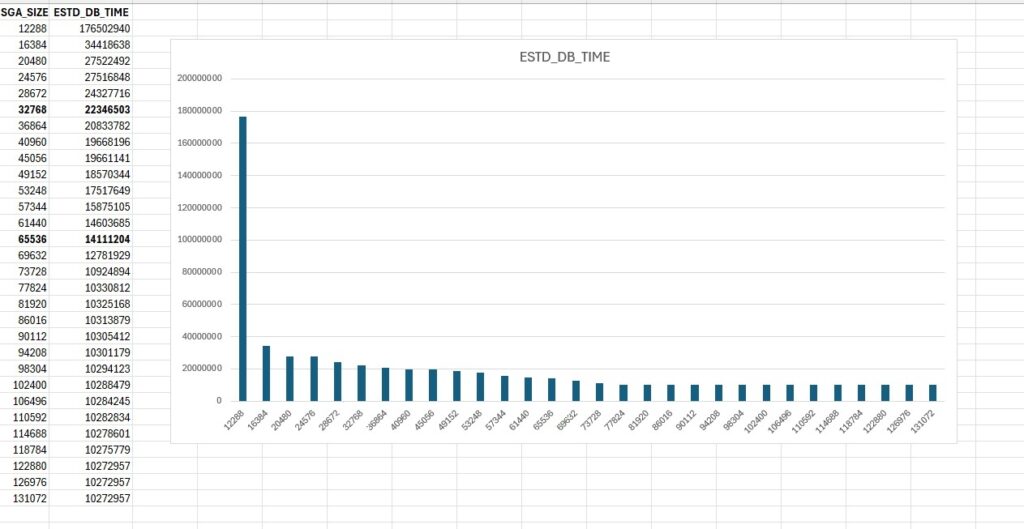
“Is Memory a Cloud Migration Showstopper? Lessons from a Real Oracle Autonomous Database Case” 

With the latest DB@Azure announcement, more customers are considering migrating their legacy databases to the cloud, taking advantage of running Oracle Database on their preferred hyperscaler. In my conversations with customers, I consistently see growing interest in Oracle Autonomous Database as a top choice. The discussion often starts with features like manageability, scalability and security

Scroll to Top